
Pets
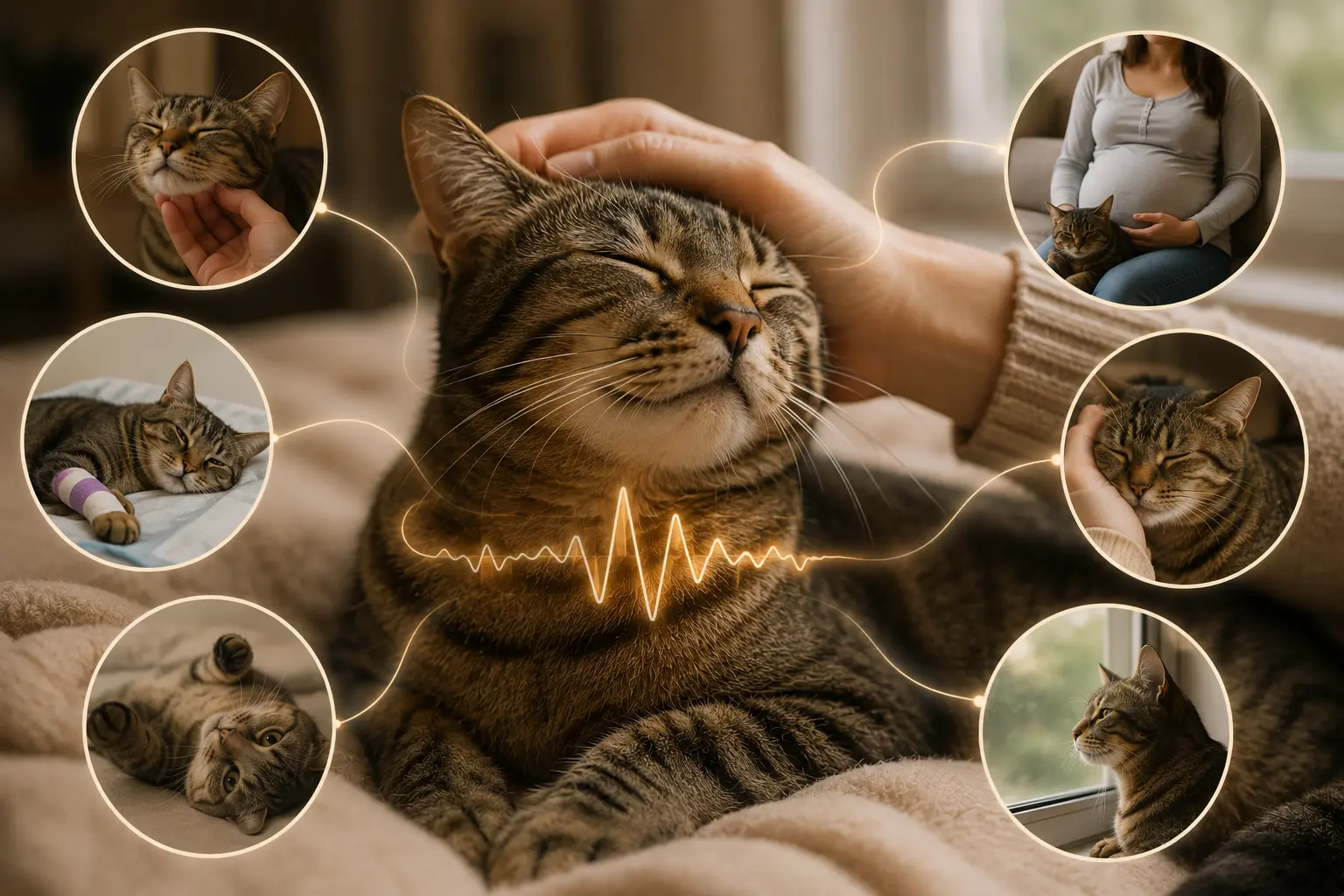
Why Do Cats Purr? Meanings, Mechanisms, and Context
Cats often purr during friendly contact, but they may also purr when stressed or unwell, so the surrounding behavior matters.
Category
Behavior, wellbeing, and surprising facts about the animals who live with us.
Cats often purr during friendly contact, but they may also purr when stressed or unwell, so the surrounding behavior matters.
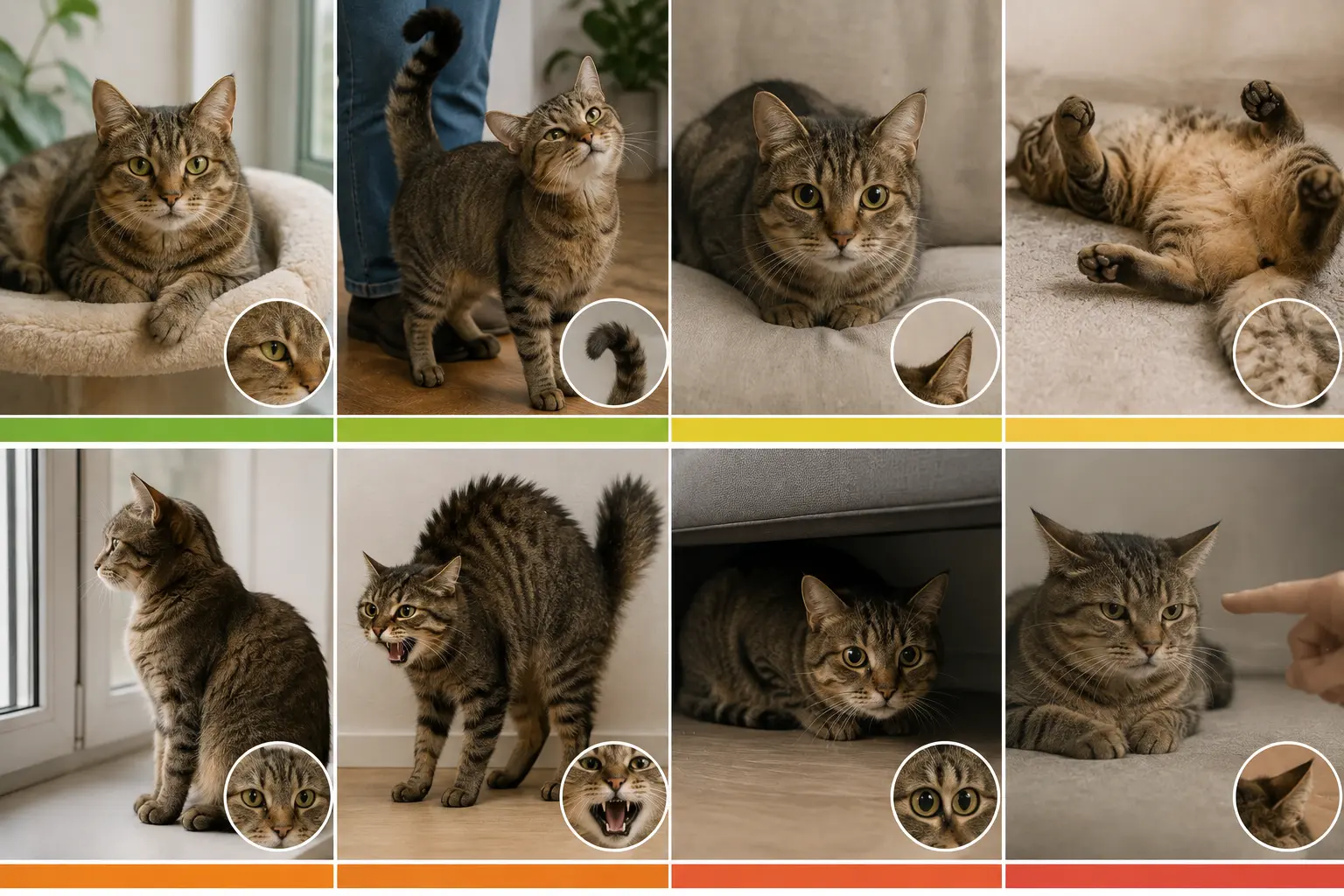
A cat communicates through combinations of posture, muscle tension, ears, eyes, whiskers, tail, vocalization, and the surrounding context.

Safe toys match the dog’s size, chewing strength, age, and preferred type of play, and they are inspected regularly for damage.
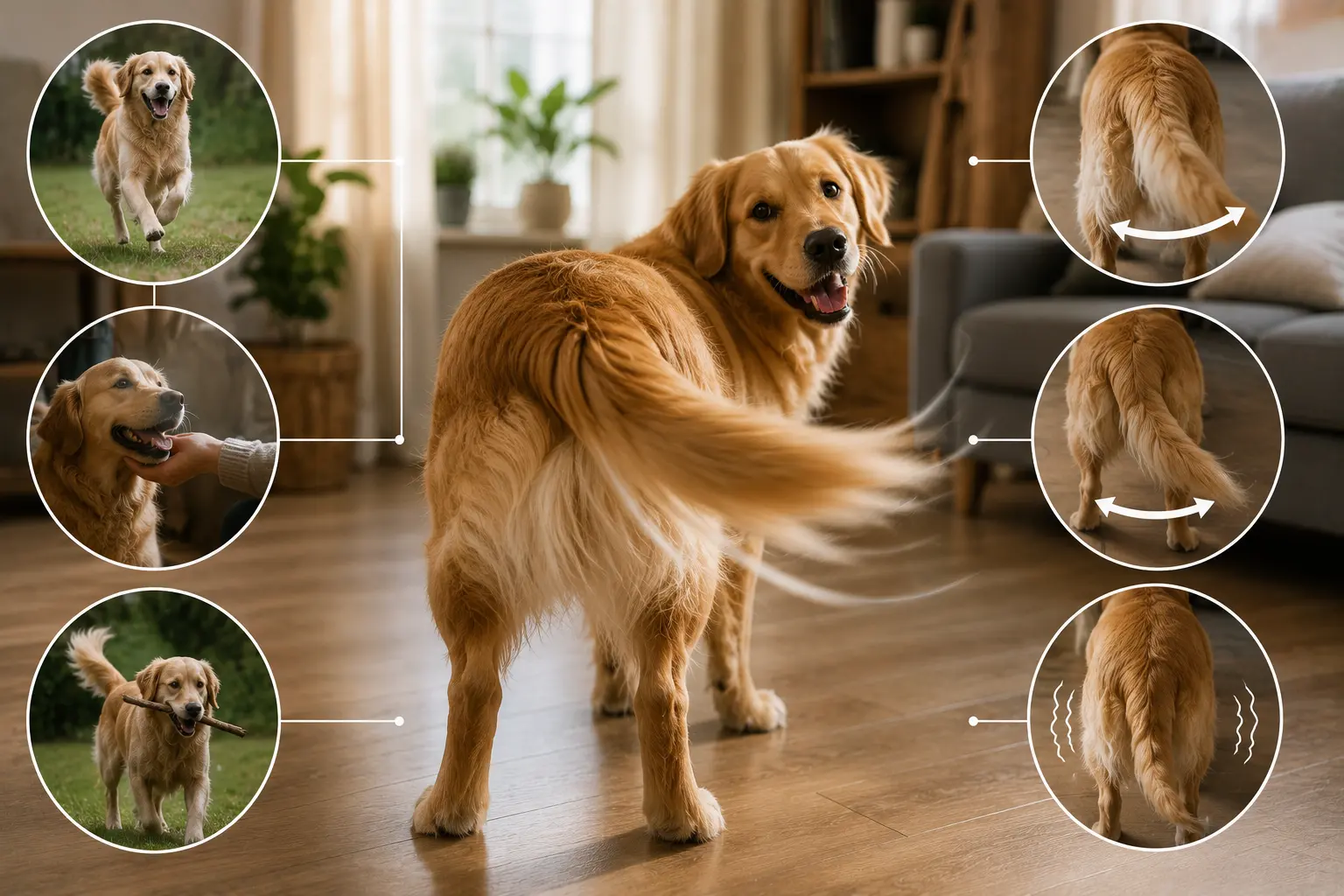
Tail wagging signals arousal and social information, not happiness alone; height, speed, stiffness, direction, and context all matter.
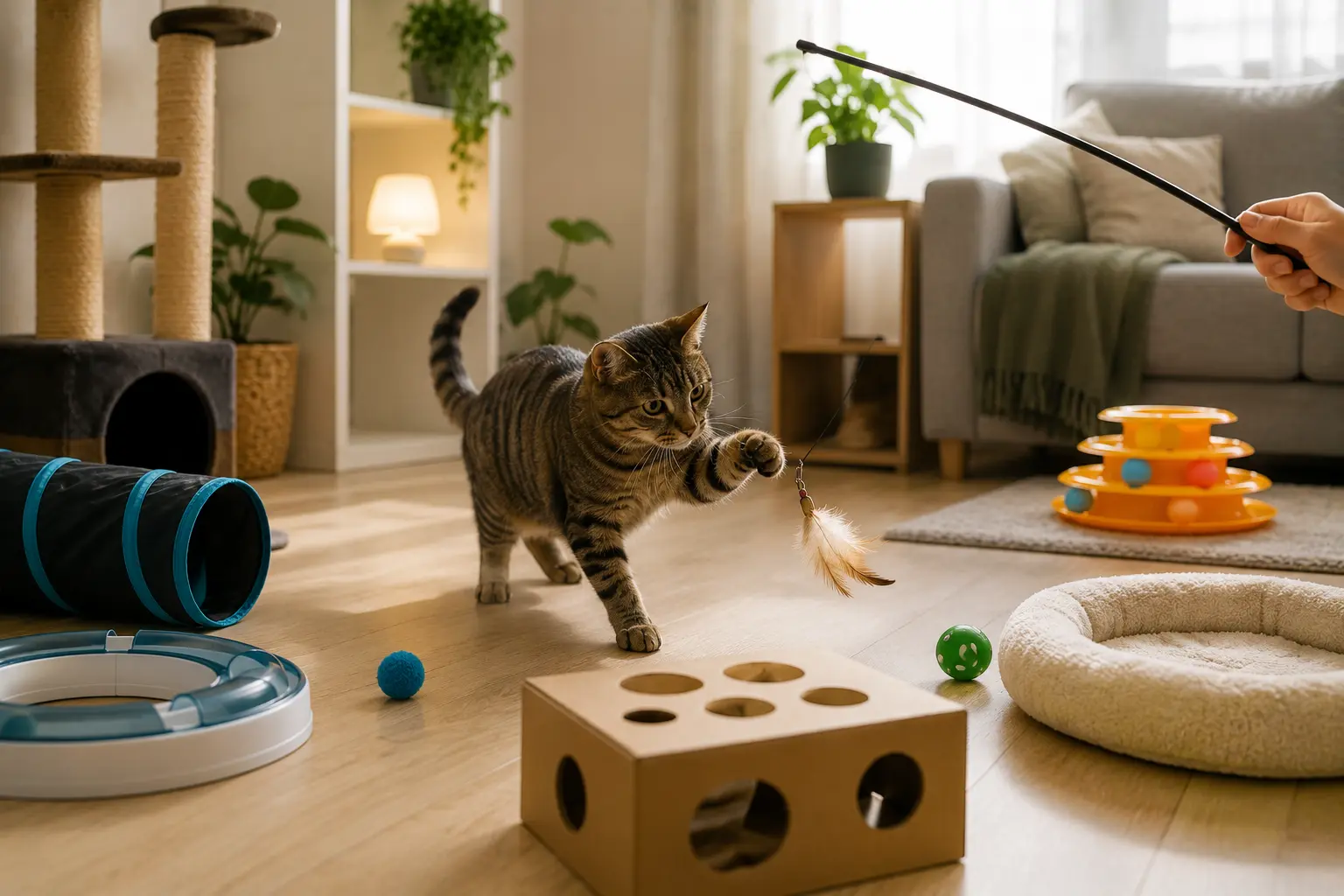
Indoor cats benefit from short hunting-style games, climbing and hiding options, scratching surfaces, novelty, and predictable rest.